Neutrogena Lip Moisturizer SPF 15 Review 2026: Worth Trying?
Your lips burn faster than any other part of your face. They have almost no melanin, and their skin is paper thin. That is why one sunny walk can leave you with cracked, sore, peeling lips by dinner. A good lip balm with sunscreen solves this problem. The Neutrogena Lip Moisturizer SPF 15 was once the go to pick for millions of shoppers. It was cheap, it was fragrance free, and it slipped into a pocket with ease.
Then Neutrogena stopped making it. If you loved this little stick, you already know the pain of hunting for it online. In this 2026 review, I break down what the formula did well, where it fell short, and what you should buy instead. I also tested the current Neutrogena lip care stick that replaced it. You will find ingredients, real user feedback, pros, cons, and a clear buying guide. Let us get into it.
Key Takeaways
Here is the short version of this Neutrogena Lip Moisturizer SPF 15 review. These six points cover everything you need to know before you spend a dollar.
- It is discontinued. Neutrogena no longer makes the SPF 15 lip moisturizer stick. You can still find old stock on resale sites, but prices are often high and stock is random.
- The old formula used two chemical filters. It packed octinoxate 7.5% and oxybenzone 4% for sun protection. Both filters are common in older drugstore lip balms.
- The base was simple and rich. Castor seed oil, corn oil, ozokerite, petrolatum, and beeswax gave it a soft, waxy glide. It felt smooth and never left a white cast.
- It was fragrance free and cheap. Most users paid under five dollars for a 0.15 ounce stick. That price made it easy to buy several and stash them everywhere.
- The current Neutrogena stick is different. The Norwegian Formula Lipcare Stick now carries SPF 20 instead of SPF 15. It keeps the same dry lip focus and the same budget price.
- Better options exist in 2026. Aquaphor, Blistex, and Sun Bum all sell strong SPF lip balms with higher protection and better availability.
That is the whole story in one pass. The rest of this post explains the details, so keep reading.
What Is Neutrogena Lip Moisturizer SPF 15
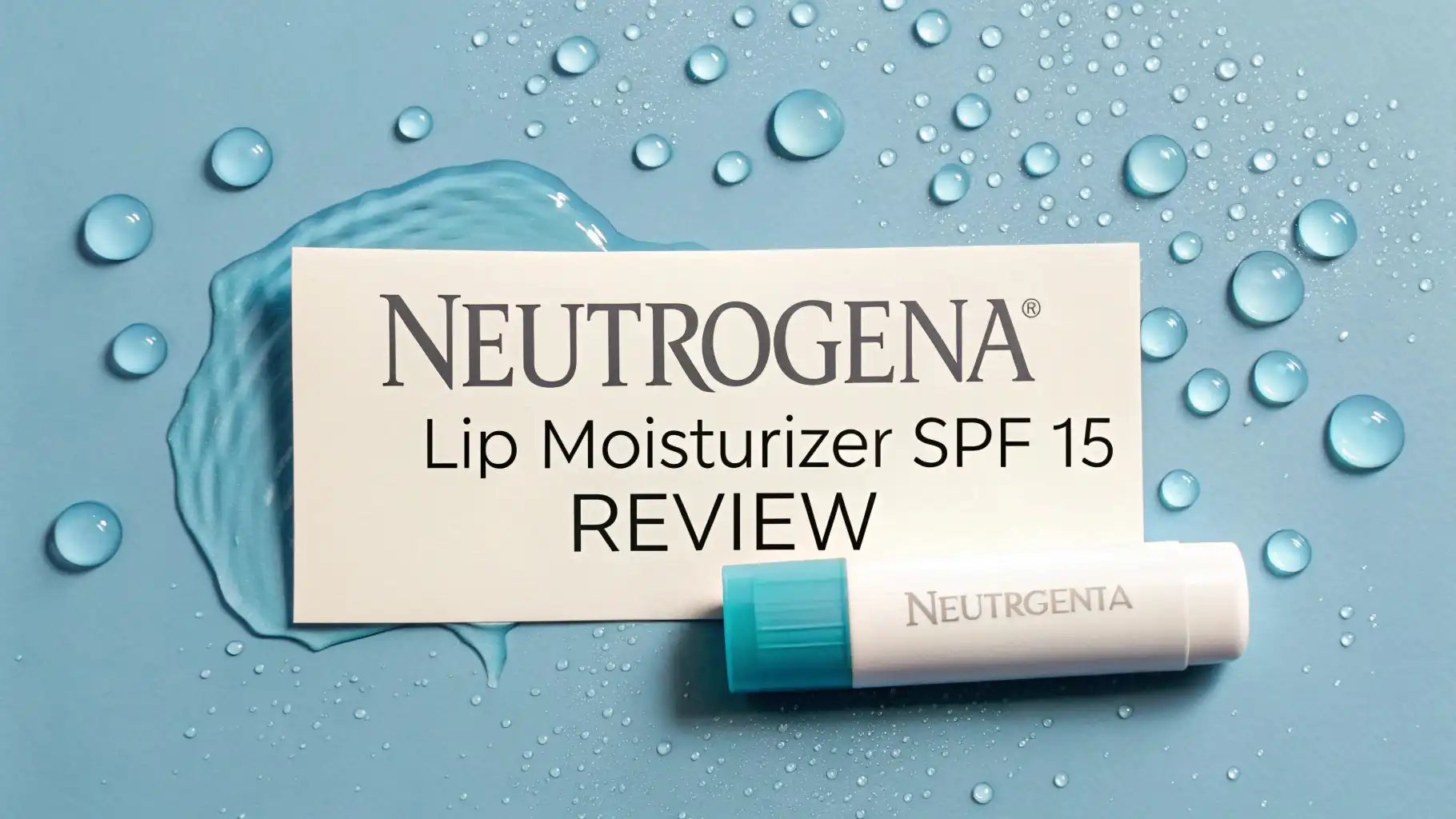
Neutrogena Lip Moisturizer SPF 15 was a small stick balm made for dry, chapped lips. It came in a 0.15 ounce tube with a twist base. The formula blended oils, waxes, and petrolatum to seal moisture into the lip surface. It also added two sunscreen actives for daily sun defense.
The brand sold it under the Norwegian Formula line. That line started with a hand cream built for harsh Nordic winters. The lip balm borrowed the same idea. It targeted cold weather, wind, and dry indoor air.
The stick was clear, unscented, and nearly invisible on the lips. That made it a favorite for men, teens, and anyone who disliked shiny or tinted balms. It worked well under lipstick too.
Neutrogena has since discontinued this exact SPF 15 version. The company now points shoppers to its other sun damage protection products. The closest match on Amazon today is the Norwegian Formula Lipcare Stick with SPF 20. It keeps the same purpose and the same wallet friendly price.

- Norwegian Formula: Contains natural ingredients like shea butter and vitamin E to soften and moisturize lips
- For Dry Skin: Formulated to provide extra hydration for dry, chapped lips
Last update on 2026-10-13 / Affiliate links / Images from Amazon Product Advertising API
If you want the original SPF 15 stick, you now depend on leftover inventory. That is a real problem for loyal fans. A product you loved for years can vanish without warning. The good news is that the replacement stick covers the same job.
Why Your Lips Need Sunscreen Every Day
Most people remember sunscreen for their face and forget their lips. That is a mistake. Lips have very little melanin, the pigment that helps skin defend itself against UV rays. They also have a thin outer layer. UV light reaches deeper tissue with less resistance.
Sun damage on lips shows up in clear ways. You may notice dryness that never heals. You may see dark patches, peeling, or a dull color. Long term exposure can also raise the risk of actinic cheilitis, a condition where the lip border becomes rough and inflamed.
Cold weather is not the only threat. UV rays pass through clouds and even through glass. Winter sun on a ski slope reflects off snow and doubles your exposure. Summer sun at the beach reflects off water and sand. Both seasons demand daily protection.
That is why dermatologists push lip balms with SPF 15 or higher. Reapply every two hours outdoors, and reapply right after eating or drinking. A single morning swipe will not last all day.
The Neutrogena SPF 15 stick fit this routine well. It was easy to reapply and it did not feel greasy. That ease of use matters more than most people realize. The best lip balm is the one you actually reach for.
Ingredients Inside Neutrogena Lip Moisturizer SPF 15
The ingredient list on this balm was short and simple. Two actives handled sun protection. The rest built the texture and locked in moisture.
Active ingredients: Octinoxate 7.5% and oxybenzone 4%. Both are chemical sunscreen filters. They absorb UV energy and turn it into heat. Octinoxate mainly targets UVB rays. Oxybenzone covers a wider range, including some UVA.
Inactive ingredients: Castor seed oil, corn oil, ozokerite, petrolatum, beeswax, ethylhexyl palmitate, and paraffin. These are classic balm builders. Castor oil and corn oil add glide. Ozokerite, beeswax, and paraffin give structure so the stick holds its shape. Petrolatum creates a seal that stops water loss.
The formula had no fragrance and no added flavor. That kept irritation risk low for most users. It also meant no taste when you licked your lips.
Two points deserve a fair mention. First, oxybenzone has drawn attention from some consumer groups and has limited use rules in a few regions. Second, the balm carried SPF 15 only. That meets the minimum for daily wear but sits below what many experts now suggest for long outdoor days.
Neither point makes the old balm bad. It simply reflects when the formula was designed. Modern lip sunscreens often use zinc oxide or higher SPF ratings for broader, stronger coverage.
Top 3 Alternative for Neutrogena Lip Moisturizer SPF 15
If you cannot find the original stick, these three picks fill the gap. Each one offers solid sun protection and strong user ratings.
Aquaphor Lip Repair with SPF 30 is the closest match in feel. It uses a soft ointment texture that soothes cracked lips fast. It carries SPF 30, which doubles the protection of the old Neutrogena stick. Reviewers rate it 4.6 stars across more than 18,000 ratings. A two pack costs about nine dollars.

- The information below is per-pack only
- DERMATOLOGIST RECOMMENDED: Lip Repair Lip Balm from Aquaphor, the #1 dermatologist recommended lip care brand

Last update on 2026-10-13 / Affiliate links / Images from Amazon Product Advertising API
Blistex Lip Medex focuses on medicated relief. It cools on contact and helps repair lips that are already raw. It holds a 4.8 star rating and costs about five dollars for three jars. It works best as a nighttime treatment rather than a daily sun balm.

- Cooling: Quickly delivers a soothing, noticeable, and immediate cooling action to help relieve the hot/burning and...
- Protection: Advanced medicated lip balm formula for targeted relief and protection that seals in moisture to help...
Last update on 2026-10-13 / Affiliate links / Images from Amazon Product Advertising API
Sun Bum SPF 30 Sunscreen Lip Balm suits outdoor fans. It comes in a three flavor variety pack and holds a best seller badge on Amazon. The rating sits at 4.4 stars with nearly 29,000 reviews. A three pack sells for around ten dollars.

- SPF 30 SUNSCREEN LIP BALM - VARIETY PACK. Our fav SPF lip balm trio with Aloe and Vitamin E to protect and moisturize...
- LASTING LIP PROTECTION. Our unique SPF lip balm is not just for a day at the beach. This triple action formula will...
Last update on 2026-10-13 / Affiliate links / Images from Amazon Product Advertising API
All three beat the discontinued Neutrogena stick on availability. Two of them also beat it on SPF. Pick Aquaphor for everyday comfort, Blistex for repair, and Sun Bum for beach and trail days.
How to Apply It for Best Results
Good application changes how well any lip balm works. Follow these steps and you will get more from every swipe.
Start with clean, dry lips. Wipe away old balm, food, and moisture. Balm cannot bond well over a wet surface. Then apply a thin, even layer across the full lip, including the corners.
Do not rub your lips together after applying. That motion pushes product off the lip line and onto your skin. Let the balm sit and absorb on its own.
Reapply every two hours when you are outside. Reapply sooner after swimming, heavy sweating, or eating. Sunscreen actives break down over time, so one coat will not protect you all afternoon.
Layer smarter in winter. Apply balm first, then add a thicker occlusive ointment on top if you plan to be out in wind. That traps moisture and blocks the cold.
At night, use a plain healing balm without SPF. There is no sun to block indoors. Repair focused formulas do more for your lips while you sleep.
Finally, keep a stick in your bag, your car, and your desk. Convenience drives consistency. Consistency is what actually protects your lips over the years.
Texture, Scent, and Feel on the Lips
Texture decided whether people loved or hated this balm. The Neutrogena stick had a soft, slightly waxy glide. It spread in one pass and left a faint sheen. Most users called it smooth and comfortable.
It was not sticky. It was not greasy either. That balance made it easy to wear under other lip products. It also made it fine for people who dislike heavy ointments.
The finish was clear. There was no white cast, no tint, and no shimmer. That plain look appealed to a wide range of users, including men who wanted no visible product.
The scent was nothing at all. The formula carried no fragrance and no flavor. That is a real plus for anyone with sensitive skin or a dislike of sweet lip products.
The one knock was the waxy feel. Some reviewers found it a little slick at first. A few said it felt heavy in hot weather. Others wished the stick lasted longer between swipes.
Overall, the feel was good for the price. It behaved like a balm that cost twice as much. That is likely why the product built such a loyal following before it was pulled.
Pros and Cons of Neutrogena Lip Moisturizer SPF 15
Every product has trade offs. Here is an honest look at both sides of the old Neutrogena stick.
Pros
- Very affordable. Most shoppers paid under five dollars per stick.
- Fragrance free. No scent and no flavor reduced irritation risk.
- Clear finish. It worked under lipstick and looked invisible on bare lips.
- Easy to apply. The stick glided on in one pass without tugging.
- Daily sun defense. SPF 15 met the minimum for everyday wear.
- Good for dry lips. The petrolatum and wax base sealed in moisture.
- Pocket friendly size. The 0.15 ounce tube fit anywhere.
Cons
- Discontinued. You cannot buy it new from Neutrogena anymore.
- Only SPF 15. That is low for long days outdoors.
- Oxybenzone content. Some shoppers prefer to avoid this filter.
- Waxy feel. A few users found the texture slick or heavy.
- Frequent reapplication. It wore off quickly during meals and swimming.
- Limited resale stock. Leftover tubes can cost far more than retail.
The pros clearly outweighed the cons for most fans. The cons matter more today because the product is gone. If you still want it, expect to pay a premium.
Is the SPF 15 Stick Still Available in 2026
No. Neutrogena has discontinued the Norwegian Formula Lip Moisturizer with SPF 15. The brand’s own product page now shows a notice and points shoppers to other sun protection products.
That does not mean every tube vanished. Some sellers still list old stock on marketplaces. Inventory changes daily and prices swing hard. You may see a five dollar balm listed for fifteen dollars or more. Always check the expiration date before you buy.
The replacement in the Neutrogena lineup is the Norwegian Formula Lipcare Stick with SPF 20. It keeps the dry lip focus and the low price. It also adds a bit more sun protection than the original.
If you find the SPF 15 version, treat it as a limited treat. Do not build a long term routine around a product that may never restock. That is the practical truth in 2026.
A better plan is to test one or two current alternatives. You may find a balm you like even more. Many shoppers who made the switch say they never went back.
How It Compares to Other Drugstore Lip Balms
The drugstore lip balm aisle is crowded. Here is how the Neutrogena stick stacked up against its neighbors.
Against ChapStick Classic: ChapStick is cheaper and easier to find. But most classic ChapStick sticks carry no SPF at all. The Neutrogena balm won on sun protection.
Against Nivea Lip Care SPF 15: Nivea offered the same SPF level. Reviewers sometimes called the Nivea formula soft and melty in warm weather. Neutrogena held its shape better.
Against Burt’s Bees: Burt’s Bees leans on natural waxes and a minty tingle. The Neutrogena balm was unscented and more neutral. Sensitive skin users often preferred Neutrogena.
Against Aquaphor: Aquaphor now offers SPF 30 in a soothing ointment. It beats the old Neutrogena stick on protection and on repair power. It costs slightly more per ounce.
Against Blistex: Blistex makes several medicated balms with strong cooling action. Those shine for damaged lips, not for daily sun wear.
The Neutrogena stick sat in a useful middle spot. It was cheap, unscented, and protective enough for normal days. That balance is exactly why its loss stung for so many people.
Who Should Use This Lip Moisturizer
The old Neutrogena stick suited several groups well. If you match one of these profiles, you will likely enjoy it.
People with dry lips were the core fans. The petrolatum and wax base sealed in moisture and stopped chapping. People who dislike fragrance also loved it. There was no scent and no flavor at all.
Men who want invisible care found the clear finish appealing. No tint, no shimmer, no shine overload. Teens and students liked the low price. Buying three sticks cost less than one premium balm.
Daily commuters got enough protection for short outdoor trips. The SPF 15 handled brief sun exposure on the way to work or school.
Makeup wearers used it as a base under lipstick. It smoothed the lip surface without changing color.
It was less ideal for hikers, skiers, and swimmers. Those users need SPF 30 or higher plus water resistance. It also was not the best pick for very sensitive lips because of the oxybenzone.
Know your needs before you buy. Match the product to your day, not to a trend.
Common Complaints and How to Handle Them
No product escapes criticism. These were the most common gripes about the Neutrogena lip balm, plus simple fixes.
Complaint one: it feels waxy. Some users wanted a lighter texture. Fix: apply a thinner layer and let it settle before adding more.
Complaint two: it wears off fast. Meals and drinks strip balm away. Fix: reapply after every meal and keep a spare stick in your bag.
Complaint three: irritation for a few users. A small number of people reported swelling or soreness. That can happen with any chemical sunscreen. Fix: patch test on your arm first, and switch to a mineral balm if you react.
Complaint four: hard to find. The discontinuation created real frustration. Fix: try the SPF 20 replacement or one of the three alternatives above.
Complaint five: price spikes on resale sites. Sellers charge more when stock runs low. Fix: set a price limit and walk away when listings climb.
Most complaints trace back to personal preference, not product failure. The balm did its job for millions of users. Knowing the limits helps you choose better the next time you shop.
Neutrogena Lip Moisturizer SPF 15 vs Tinted Lip Balms
Tinted lip balms add color and sun protection in one step. That sounds convenient, and sometimes it is. But the two products serve different needs.
The Neutrogena stick was completely clear. It added no color and no shimmer. That made it safe for anyone and any look. It also meant no risk of color settling into lip lines.
Tinted balms offer a quick polish. Many carry SPF 15 to SPF 20. Some use mineral filters like zinc oxide for broader coverage.
The trade off is choice and cost. Tinted balms come in limited shades. The wrong shade can look patchy on dry lips. They also cost more per ounce than a plain stick.
There is a practical difference in reapplication too. Reapplying a tinted balm all day builds up color and can look uneven. A clear balm never has that problem.
My advice is simple. Use a clear SPF balm as your daily base. Add a tinted balm on top when you want color. That gives you protection plus flexibility, and it keeps your clear stick useful all year.
Tips for Winter and Summer Lip Care
Lips face different threats in each season. Adjust your routine and you will avoid most cracking and soreness.
Winter tips: Cold air holds little moisture. Indoor heat dries lips further. Apply balm before you step outside, not after. Cover your mouth with a scarf on windy days. Never lick your lips in the cold, because saliva evaporates and makes dryness worse. Use a thick ointment at night to repair.
Summer tips: UV exposure peaks between late morning and mid afternoon. Apply an SPF balm before you head out. Reapply every two hours. Use a higher SPF for beach, boat, and mountain days. Add a hat with a brim for extra shade.
Year round habits: Drink enough water. Dry lips often signal mild dehydration. Avoid matte lipsticks when your lips are cracked. Exfoliate gently once a week at most, then apply balm right away.
Small habits add up. Daily protection beats occasional rescue every time. A balm you reapply without thinking is worth more than a premium one you forget at home.
How Long Does One Tube Last
A 0.15 ounce lip balm stick sounds tiny. In practice, it lasts longer than most people expect.
With normal use, one stick lasts about four to six weeks. That estimate assumes two to four applications per day. Heavy outdoor users who reapply every two hours may finish a stick in two to three weeks.
Storage changes the math. Heat softens the balm and can cause it to melt or break off. Keep sticks out of hot cars and away from direct sun. Store them upright in a cool bag or drawer.
Old stock raises another issue. Sunscreen actives lose strength over time. If you buy discontinued tubes from resale sites, check the printed date code. A balm past its prime may still moisturize but offer weaker sun protection.
Buying in packs usually lowers the cost per stick. That works well if you use balm daily. It works poorly if the product sits unused for a year. Match your purchase size to your actual habits.
Where to Buy and What to Pay
The original SPF 15 stick is no longer sold by Neutrogena. That leaves two paths for shoppers.
First, you can hunt resale listings. Prices vary widely and stock is unreliable. Expect to pay more than the original retail price of about four to five dollars.
Second, you can buy the current replacement. The Norwegian Formula Lipcare Stick with SPF 20 sells in single and multi packs on Amazon. A three pack typically runs near nineteen dollars, which works out to about six dollars per stick.
- Norwegian Formula: Contains natural ingredients like shea butter and vitamin E to soften and moisturize lips
- For Dry Skin: Formulated to provide extra hydration for dry, chapped lips
Last update on 2026-10-13 / Affiliate links / Images from Amazon Product Advertising API
You can also compare the alternatives covered earlier in this post. Aquaphor, Blistex, and Sun Bum all ship fast and stay in stock. That reliability matters when you need a balm today, not next month.
Check the seller before you buy. Prefer listings with strong ratings and clear return policies. Avoid any balm that looks melted, discolored, or expired.
Final Verdict
The Neutrogena Lip Moisturizer SPF 15 earned its loyal fans. It was cheap, clear, fragrance free, and easy to wear every day. For millions of shoppers, it was the reliable balm in every bag and drawer.
Its weak points are worth noting. SPF 15 is modest, and the formula used oxybenzone. Those facts matter more now than they did years ago. Still, the balm did exactly what it promised for a very low price.
The real issue in 2026 is availability. You cannot buy it new, and resale prices are unpredictable. That makes it hard to recommend as a long term routine.
My advice is to try the SPF 20 replacement or one of the three alternatives. Aquaphor wins for comfort, Blistex wins for repair, and Sun Bum wins for outdoor days. Any of them will protect your lips better than chasing old stock online.
Your lips face sun every single day. Give them a balm you can actually buy, reapply, and trust. That simple habit protects your lips for years to come.
Frequently Asked Questions
Is Neutrogena Lip Moisturizer SPF 15 discontinued?
Yes. Neutrogena has discontinued this product. The brand’s own page now directs shoppers to other sun protection options. Leftover stock still appears on resale sites, but supply is limited.
What replaced Neutrogena Lip Moisturizer SPF 15?
The Norwegian Formula Lipcare Stick with SPF 20 is the closest current match. It keeps the same dry lip focus and a similar price. It also offers slightly higher sun protection.
What SPF should a lip balm have?
Dermatologists often suggest SPF 15 or higher for daily wear. For long outdoor days, choose SPF 30 or more. Reapply every two hours no matter which level you use.
Can I use Neutrogena Lip Moisturizer SPF 15 every day?
Yes. Daily use is fine for most people. Reapply through the day and patch test first if your skin is sensitive. Anyone who reacts to chemical filters should switch to a mineral balm.
Is the Neutrogena lip balm good for chapped lips?
It helps mild to moderate dryness. The petrolatum and wax base seals in moisture. For severely cracked lips, pair it with a thicker healing ointment at night.